

Movement choices now reflect deeper responsibility. Many people pause before making ownership decisions today. Resource use air quality, waste growth all influence thinking. Buyers search for value beyond price alone. People reviewing used cars in Kennewick often connect reuse choices to cleaner living goals. This direction links thoughtful mobility decisions to responsible outcomes described below.
Resource preservation through reuse decisions
Reuse supports material balance across daily movement needs. It reduces pressure on natural supply chains steadily.
- Raw material demand declines through extended mobility product usage cycles
- Mining activity pressure reduces through repeated ownership life spans
- Manufacturing load eases when reuse gains broader acceptance
- Resource renewal time improves through slower consumption habits
Such preservation thinking supports sustainable living actions.
Lower emissions through mindful reuse
Lower production demand reduces air release levels. Reuse limits factory operation frequency. This supports cleaner breathing conditions. Awareness shapes better choices.
Production footprint reduction mindset
Production leaves marks on land, water, and energy. Reuse reduces repeated creation needs. Buyers feel purpose through informed thinking. Balance improves gradually.
Waste control through extended usage
Waste growth concerns many communities today. Longer use slows discard flow significantly.
- Landfill expansion pressure lowers through delayed disposal behaviour
- Scrap processing demand reduces through longer product life
- Chemical seepage risks decrease when dumping slows
- Recycling burden eases through controlled replacement timing
- Ground quality protection improves through reduced waste leakage
- Clean-up resource demand drops through slower discard patterns
- Storage overflow concerns lessen through thoughtful ownership extension
- Circular habits strengthen responsibility across daily movement choices
Such control builds cleaner surroundings steadily.
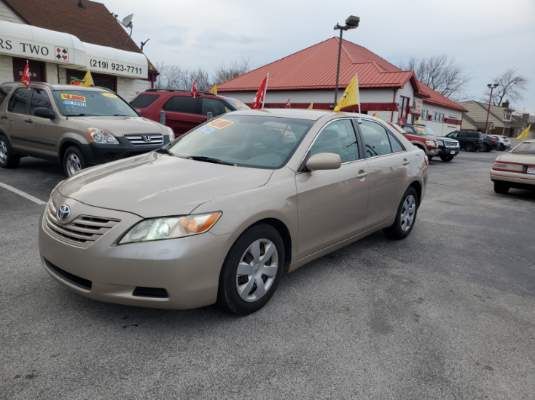
Energy savings via prolonged service
Energy use drops when production slows. Reuse supports balanced energy demand. Fewer factories run continuously. Sustainability improves naturally.
Community responsibility shaping mobility habits
Shared care influences buying behaviour. Responsible movement reflects social respect. Reuse shows commitment. Trust grows within communities.
Cost balance supporting mindful ownership
Cost savings pair with care values. Buyers gain financial relief. Nature benefits simultaneously. Satisfaction rises steadily.
Local reuse movement influence
Local circulation affects awareness growth. Buyers noticing used cars in kennewick often see reuse benefits clearly. Community exchange supports balance. Awareness spreads naturally.
Common questions clarified
- Does reuse truly help nature?
Yes, through reduced production demand.
- Is quality dependable through reuse?
Often reliable after careful review.
- Does extended use lower waste levels?
Yes, disposal rates are slow.
- Can individual choices matter?
Yes, collective change begins personally.
Purpose-driven mobility choices
Thoughtful movement supports cleaner living paths. Reuse reflects respect for shared resources. Calm decisions shape better outcomes. Responsibility guides ownership direction. Environmental awareness, encouraging the selection of second hand transportation solutions, shows mindful choices create lasting positive change.
About the Author


